European Union and Disinformation
Project Overview
2025 – 2026
Secondary Schools Across the Czech Republic
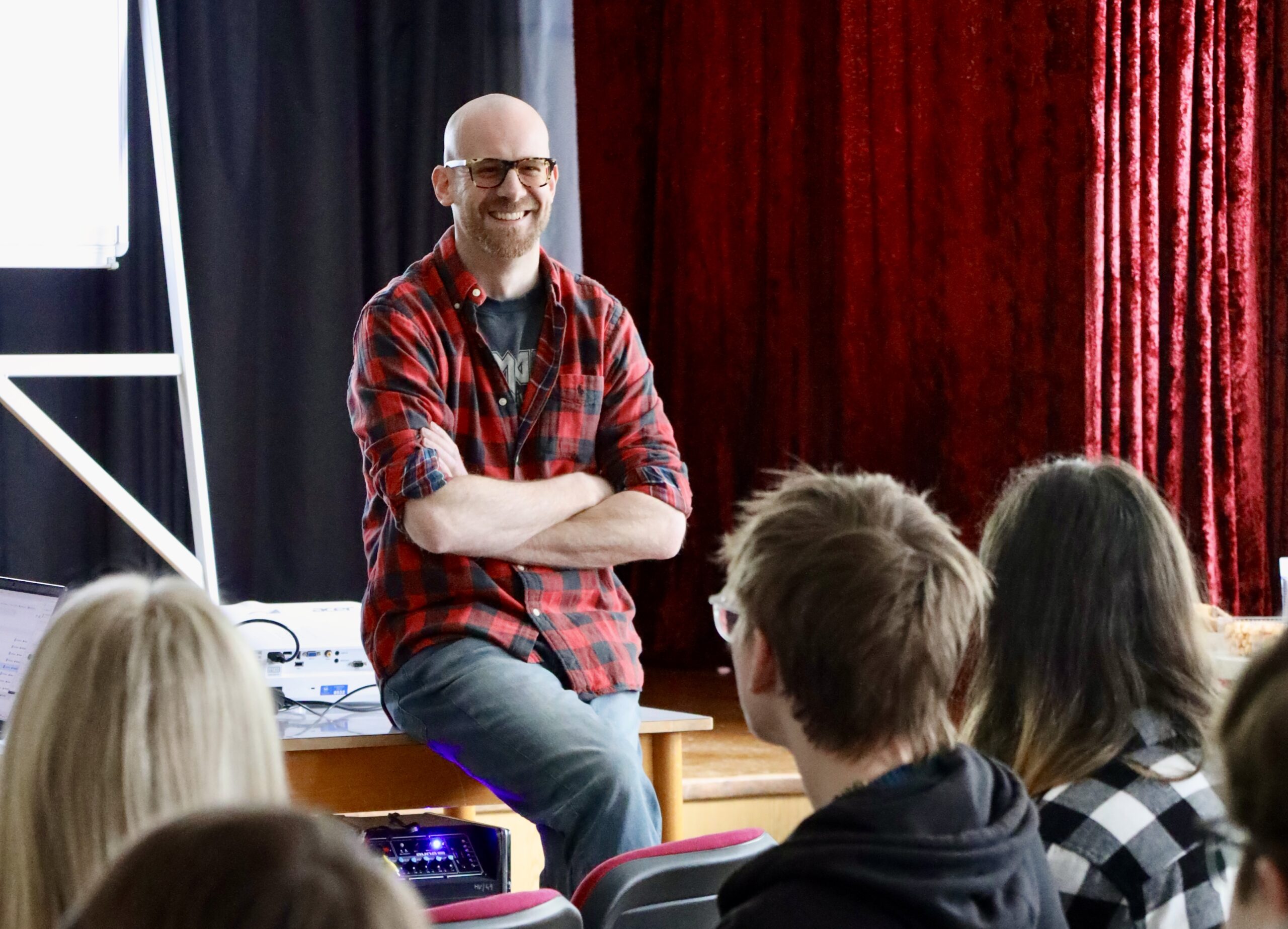
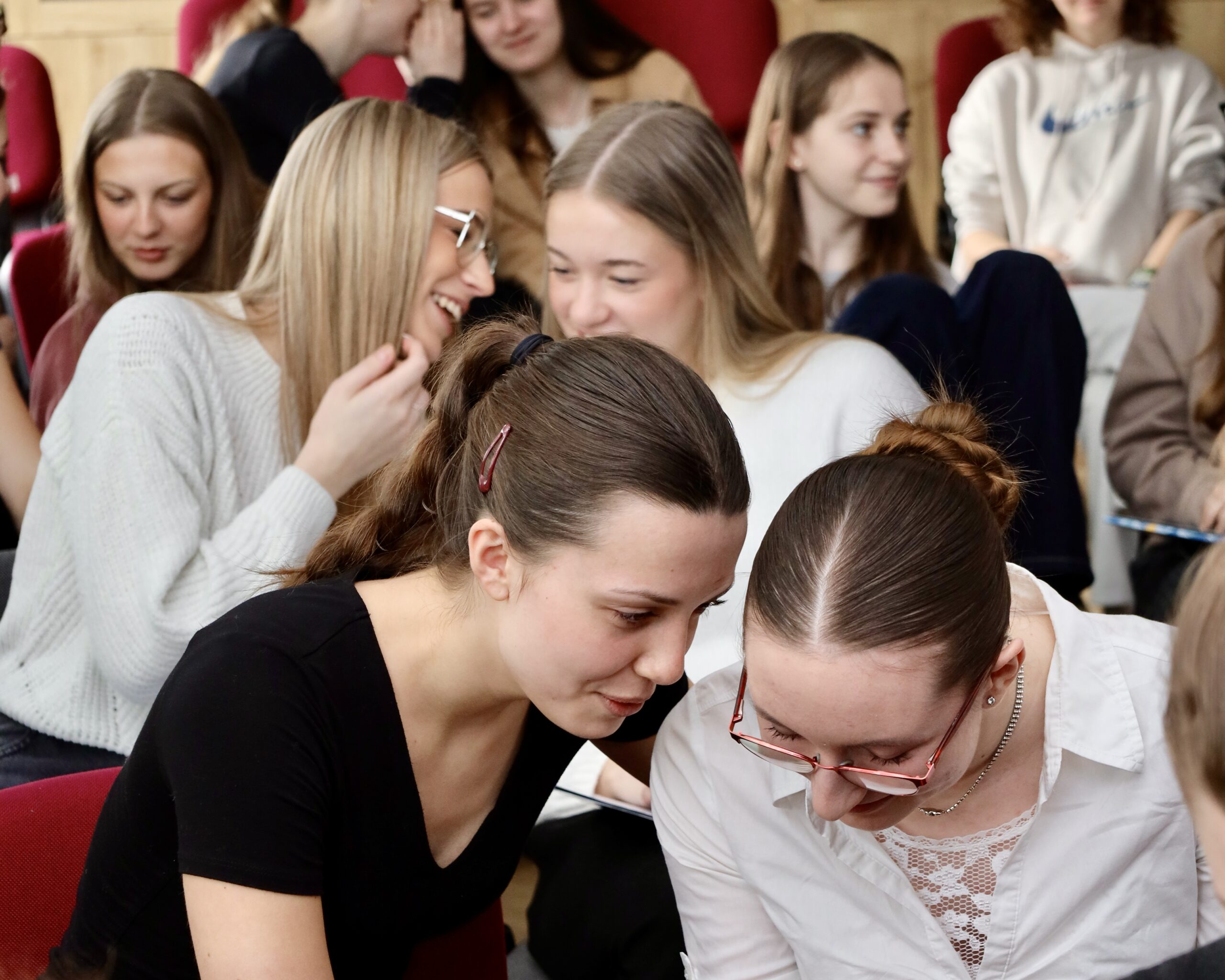
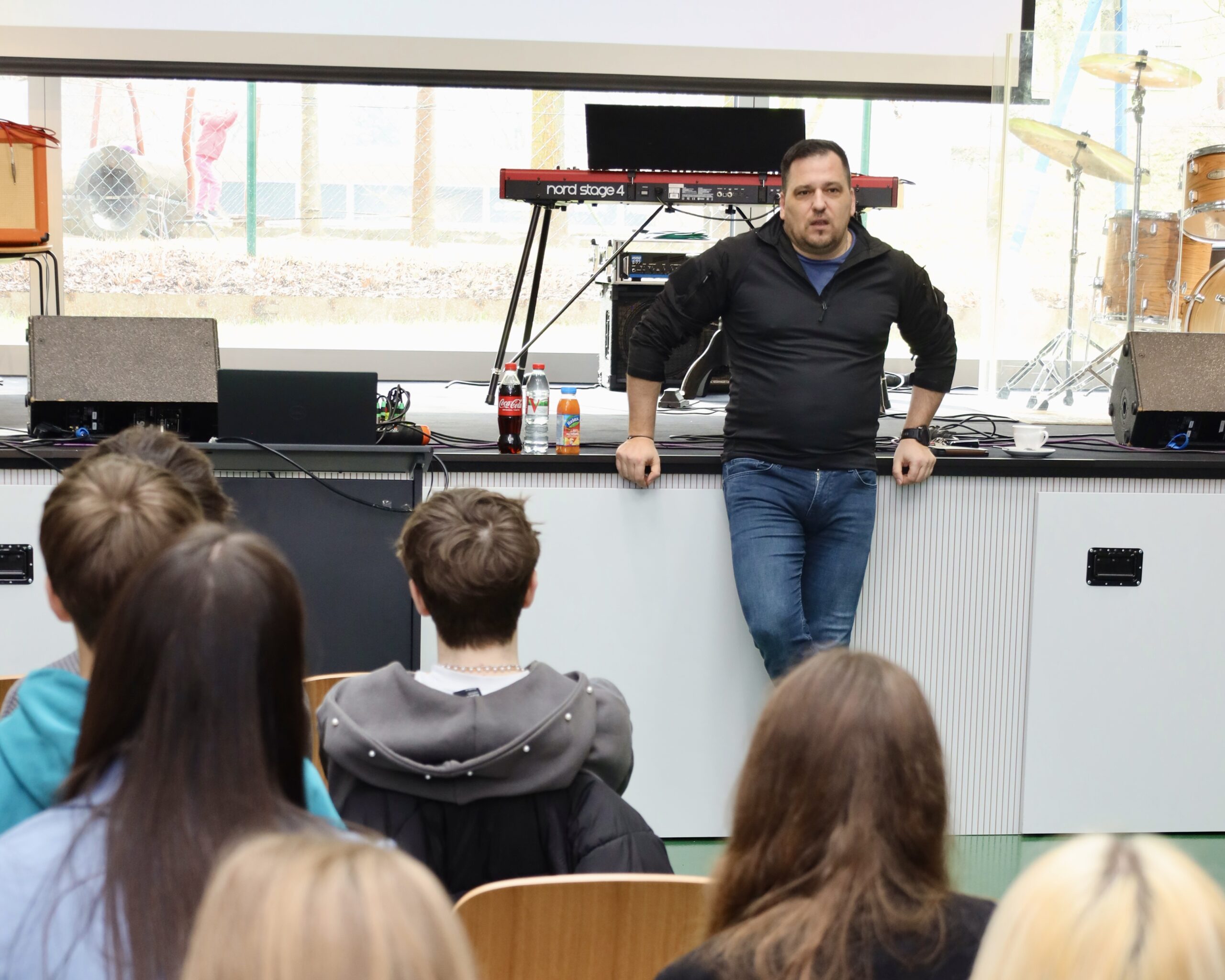
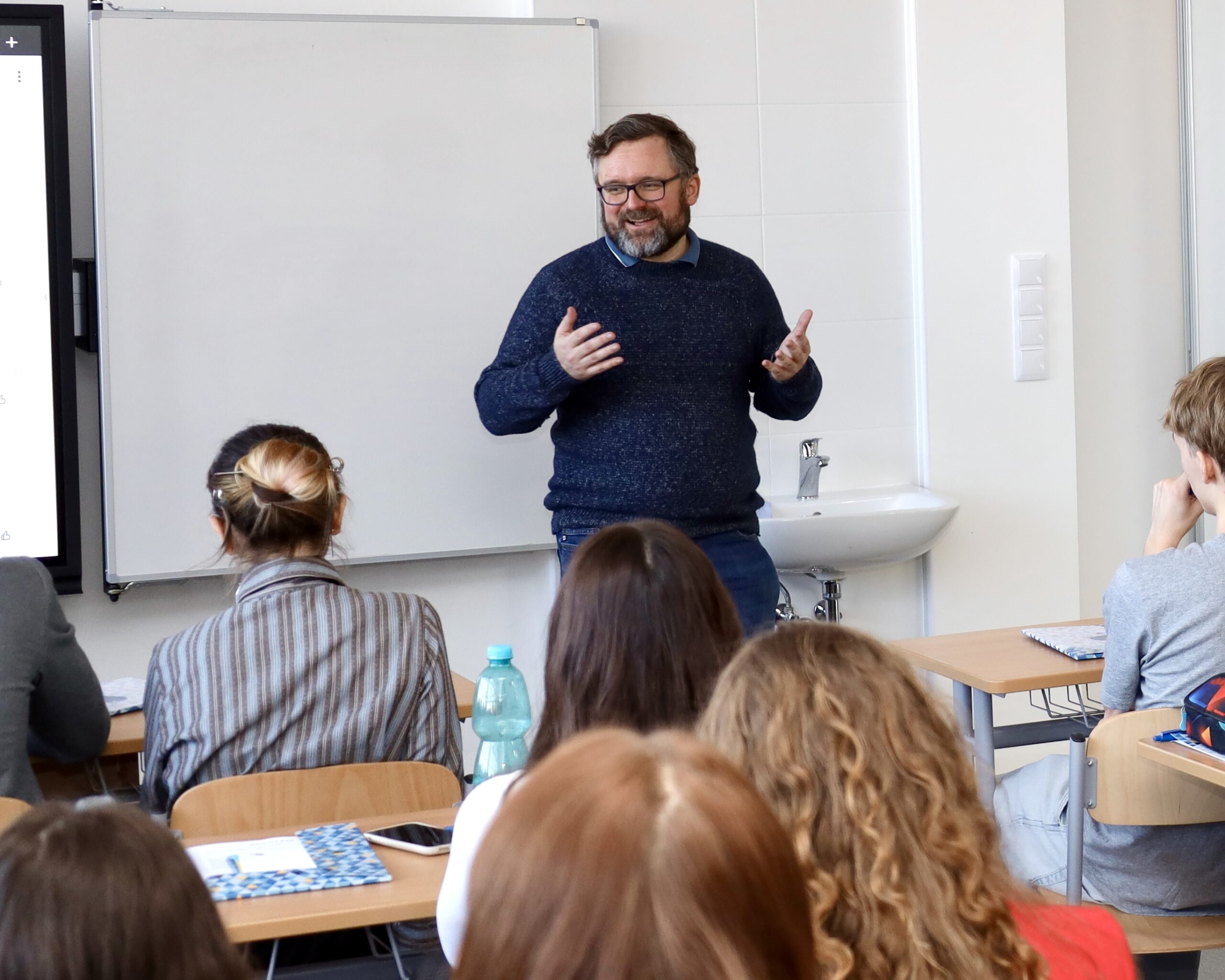
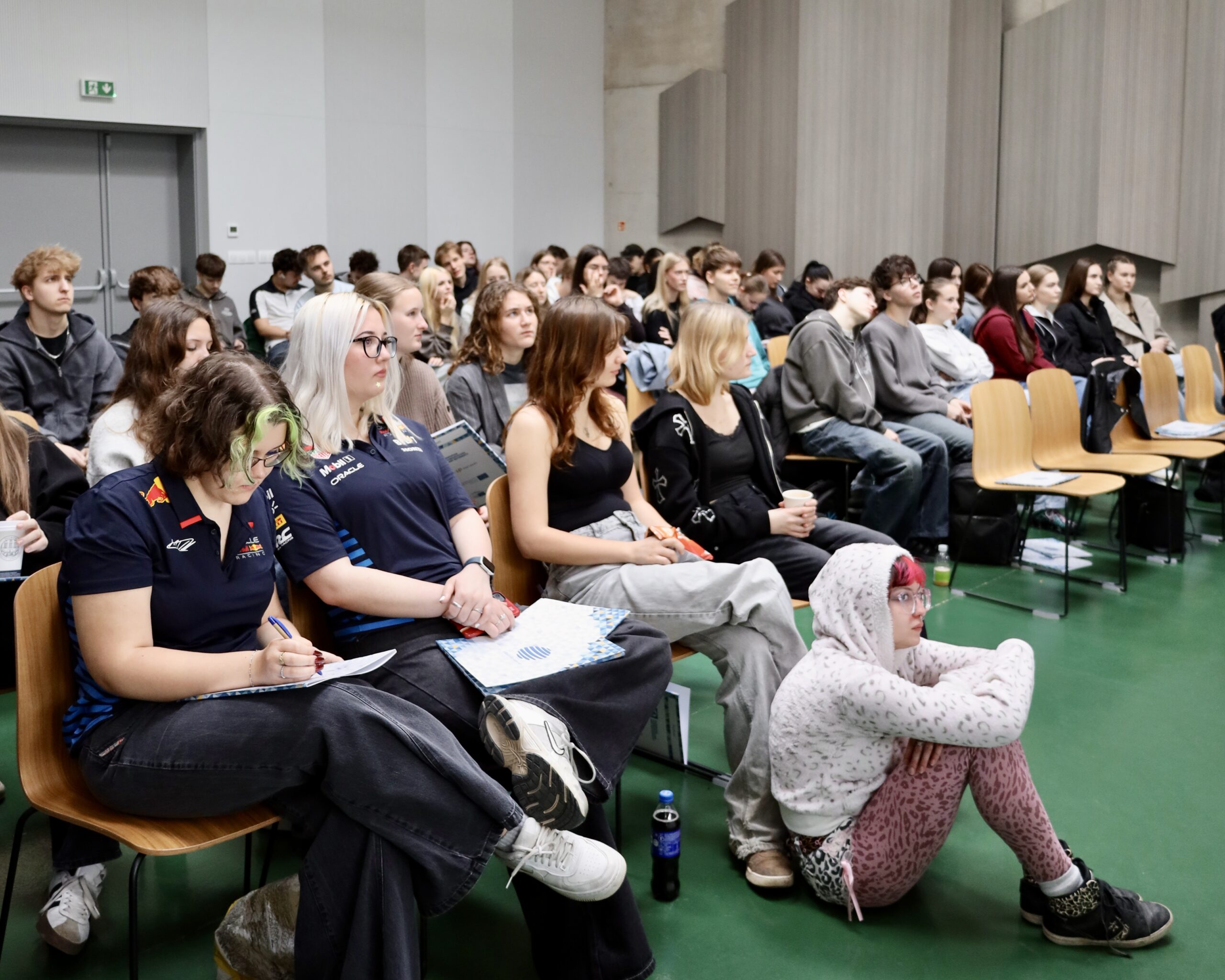
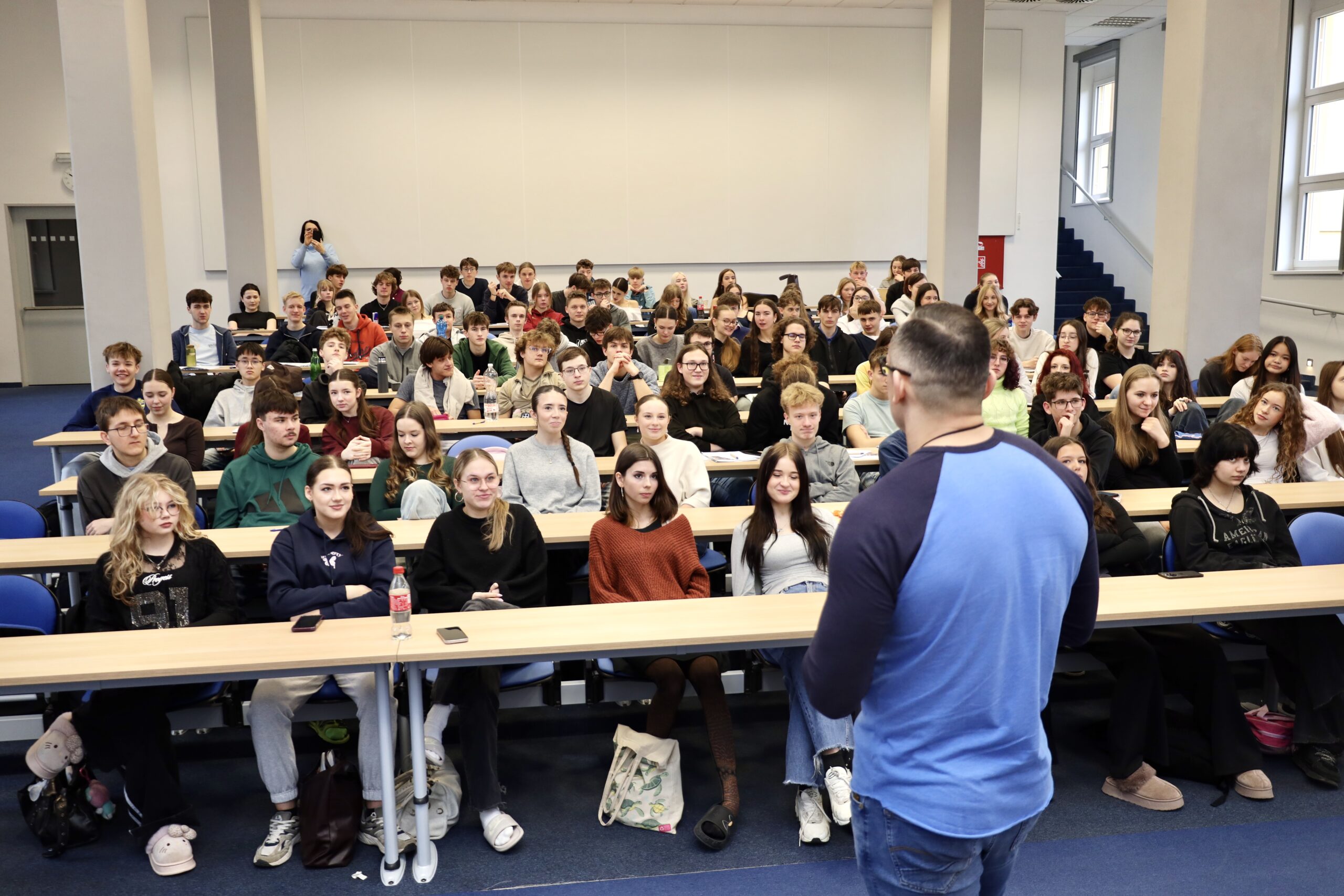
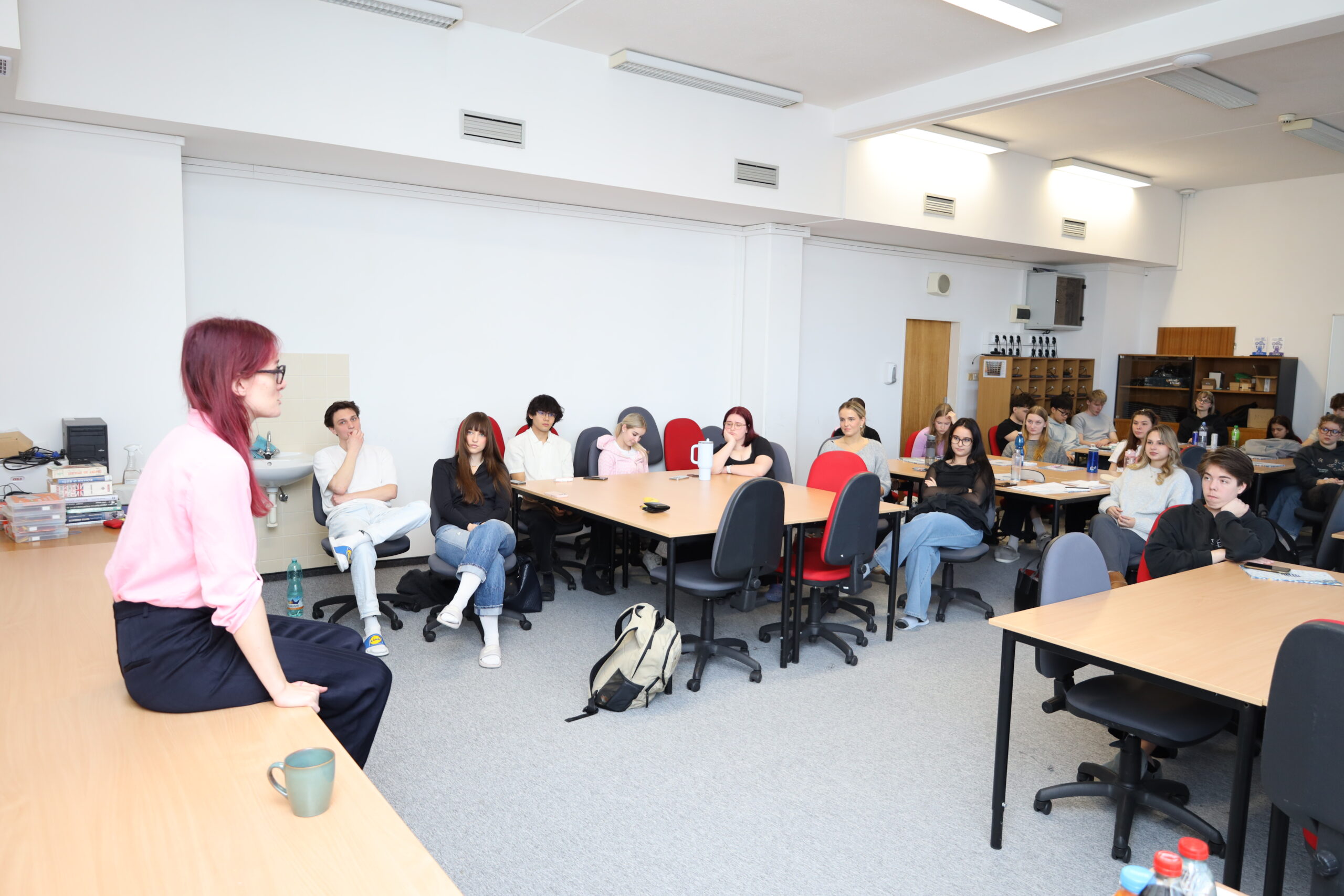
During the 2025/2026 school year, our association delivered a series of educational projects for secondary school students entitled “European Union and Disinformation”. The main aim of the project was to raise young people’s awareness of how EU institutions work, foster the development of their critical thinking skills, and provide them with practical tools to identify and respond to disinformation and manipulative techniques. The one-day project activities took place at secondary schools across the Czech Republic and featured an interactive, non-formal learning approach.
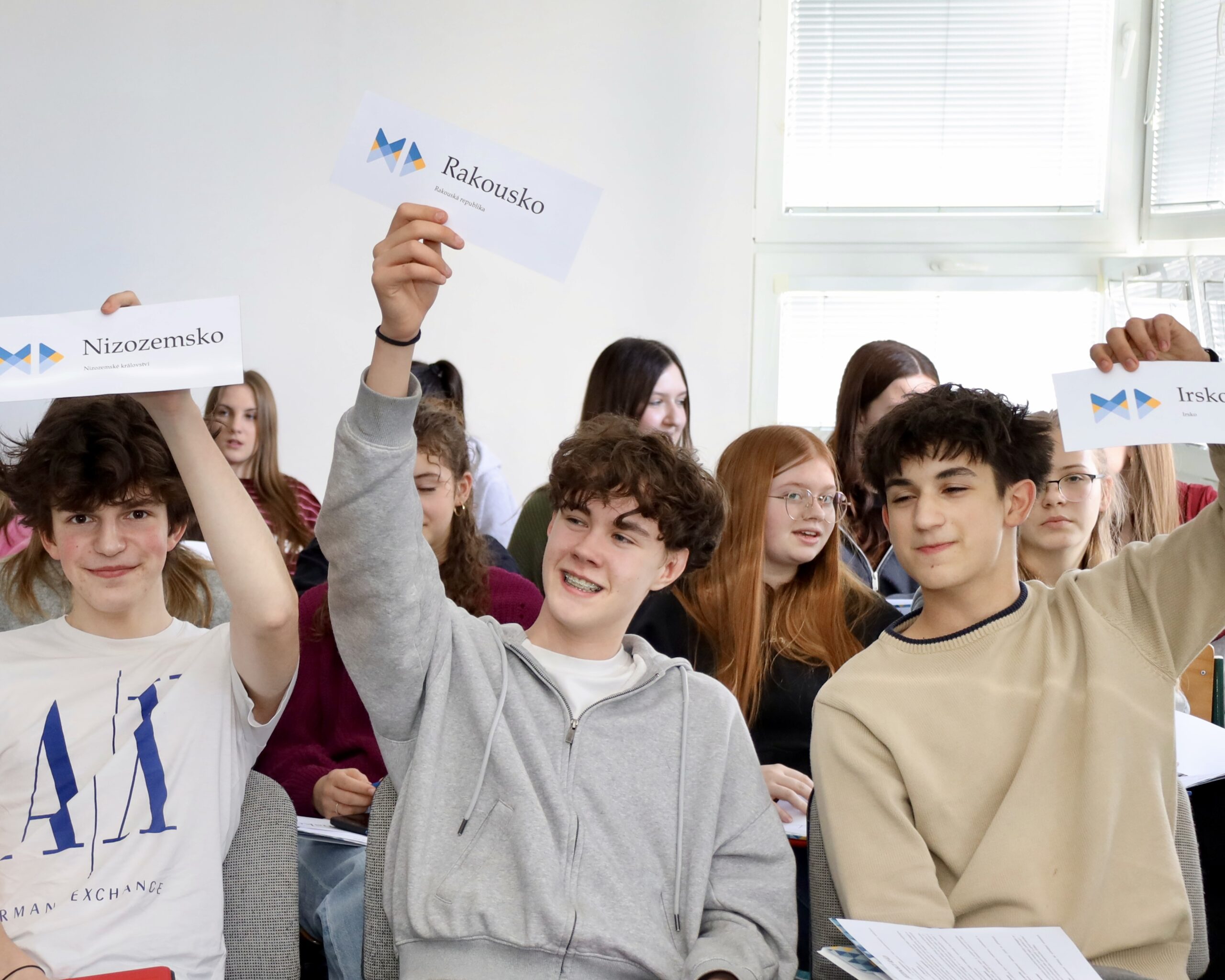
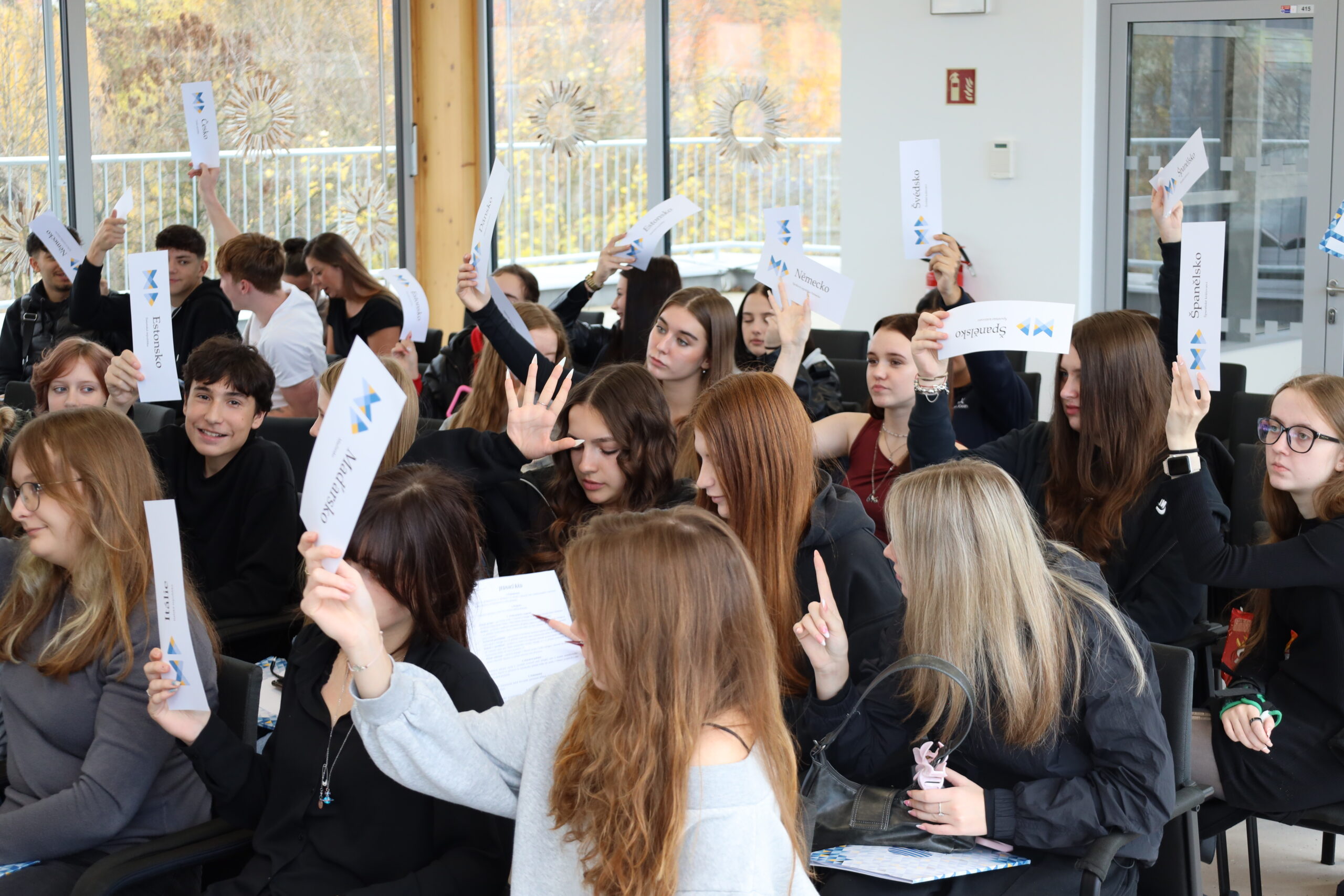
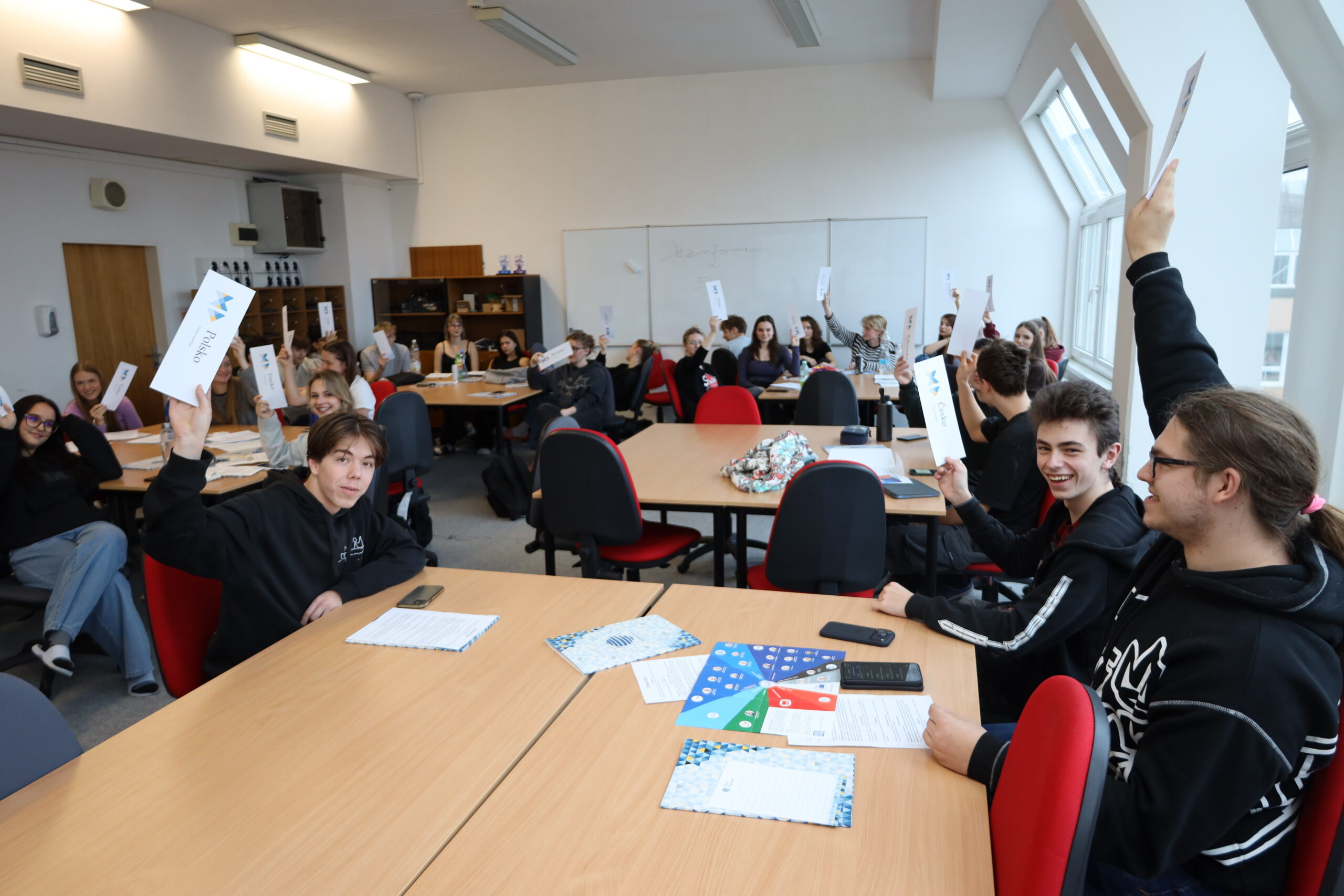
Each Project Day began with an introduction to the Mladí diplomaté association and the project’s partners, particularly the European Union and the Erasmus+ programme. Participants then took part in interactive games in which they expressed and explained their views on EU-related issues by positioning themselves on an opinion scale. Questions explored, for example, whether they considered the Czech Republic’s EU membership beneficial and wanted the country to remain in the EU, whether and how they could influence what happens in their local communities, and whether they considered disinformation a threat.
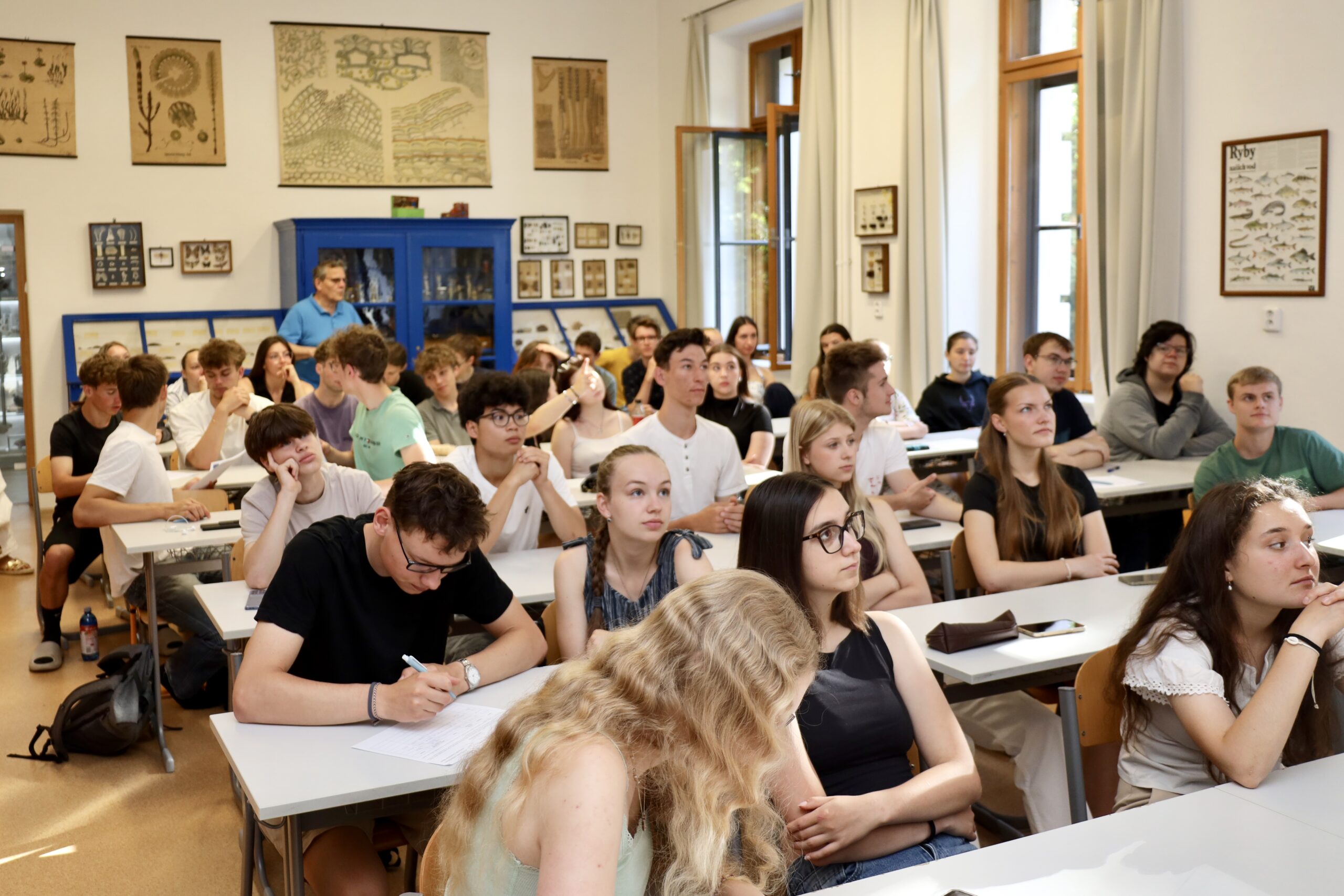
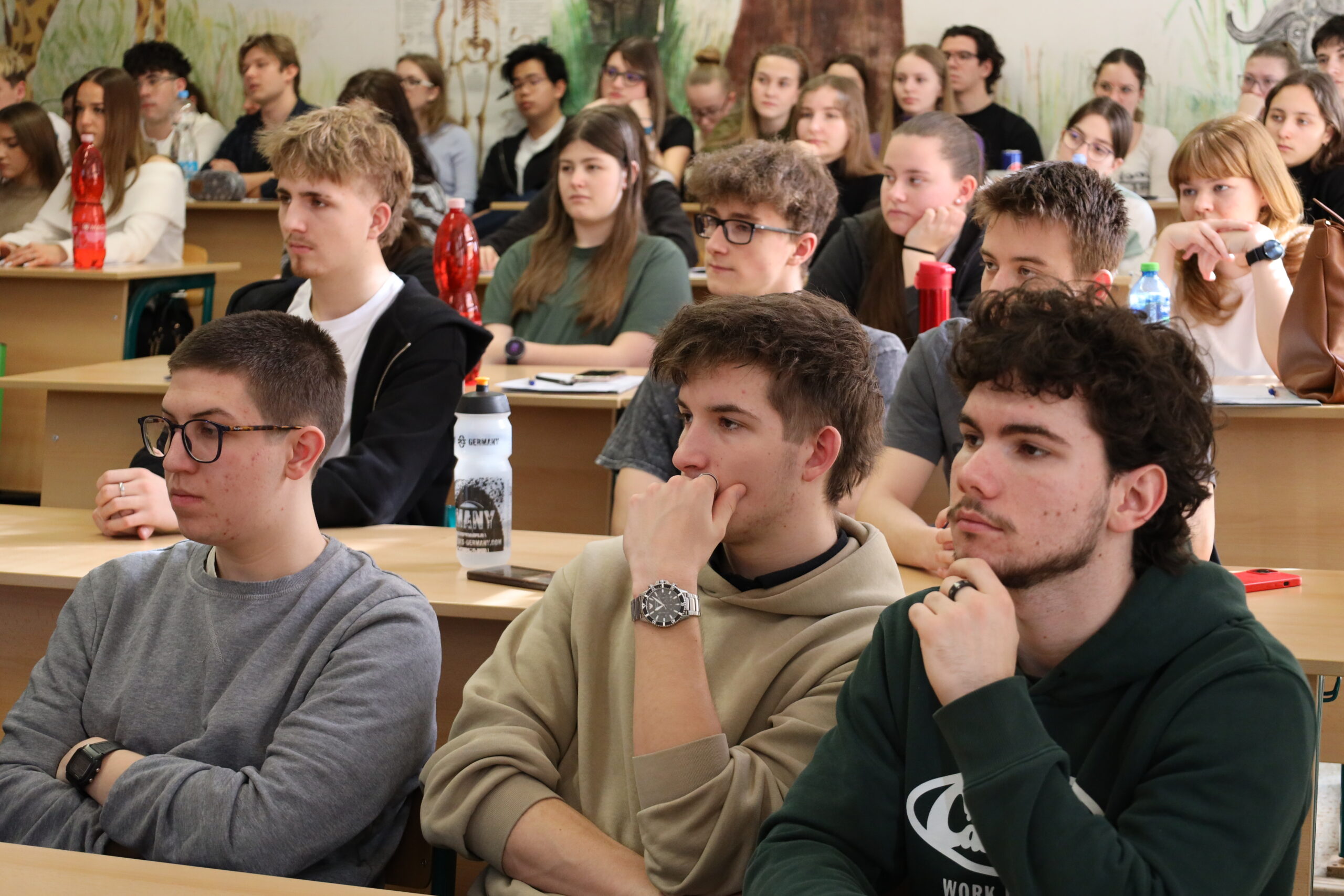
Participants then completed a quiz designed to anonymously assess their knowledge of the EU. After a short break, they attended an interactive presentation on the European Union and its institutions. They learned about the EU, its history and the way its institutions operate, alongside a range of interesting facts.
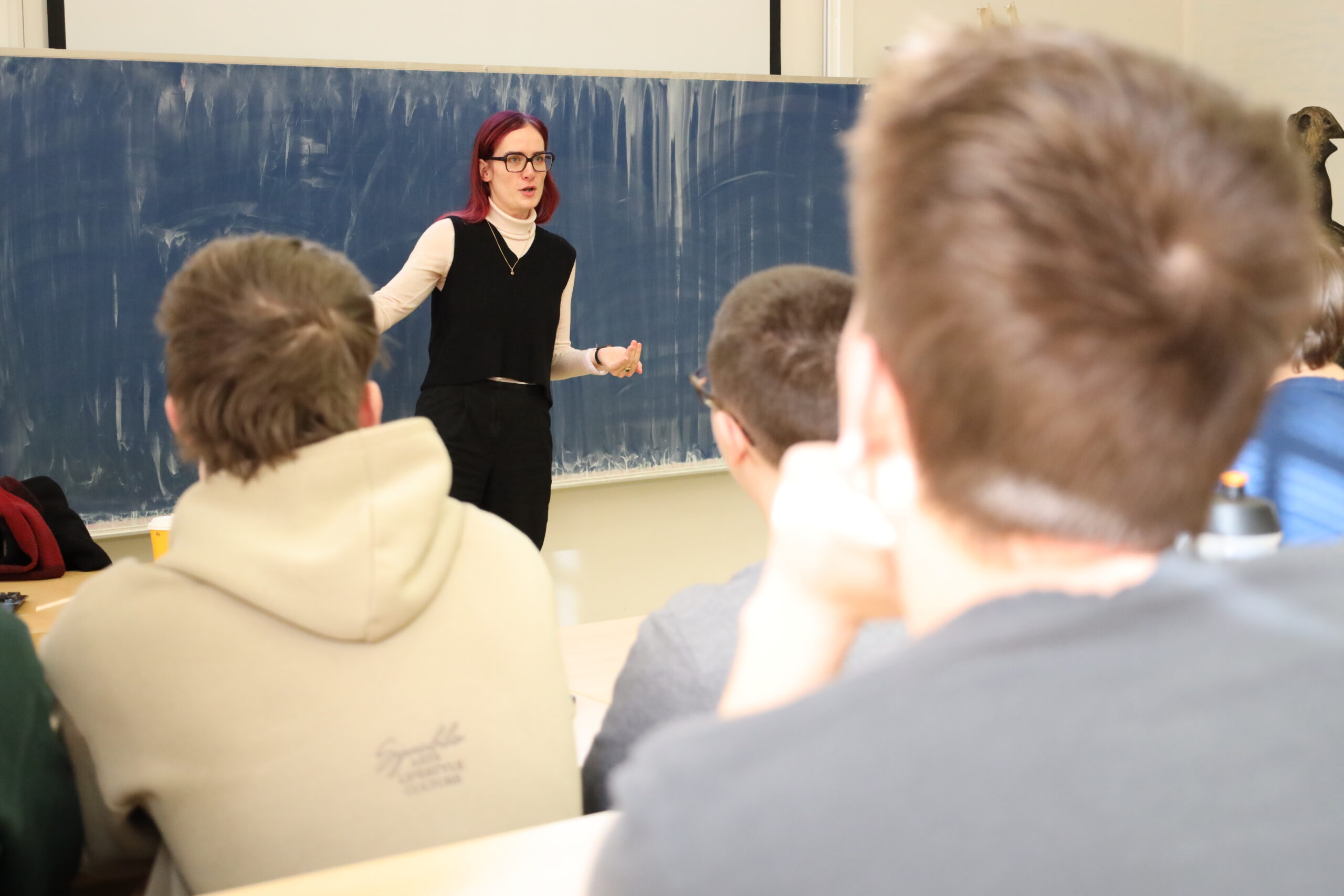
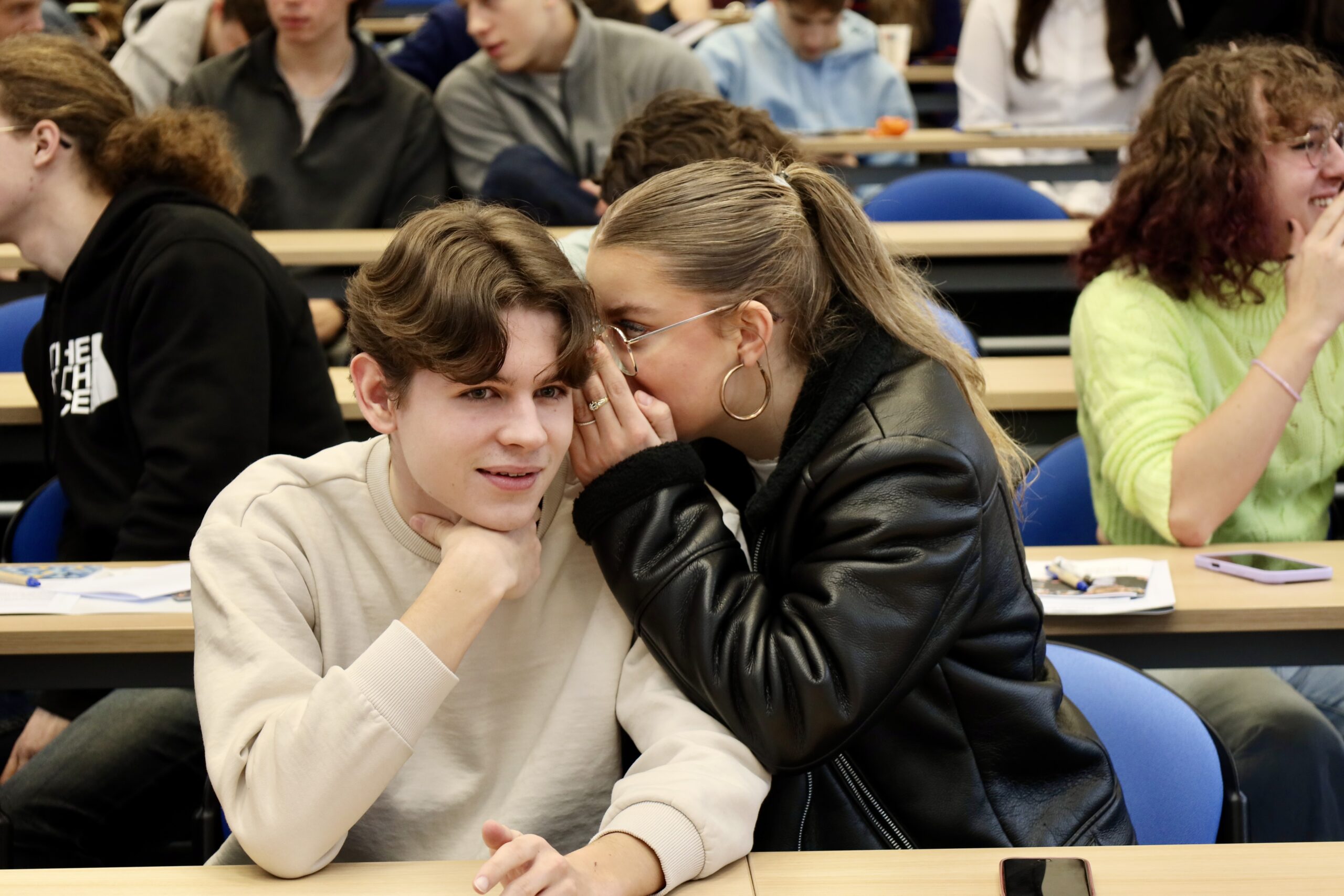
Following another short break, the programme continued with a session focused on disinformation. Through the Chinese Whispers game, participants experienced the challenges of interpersonal communication and discovered how information can become distorted as it is passed from one person to another. An interactive, practical presentation then introduced them to the nature of disinformation and ways to identify it. Together, they also explored why disinformation spreads, how it works and how to respond to it and discuss it effectively.
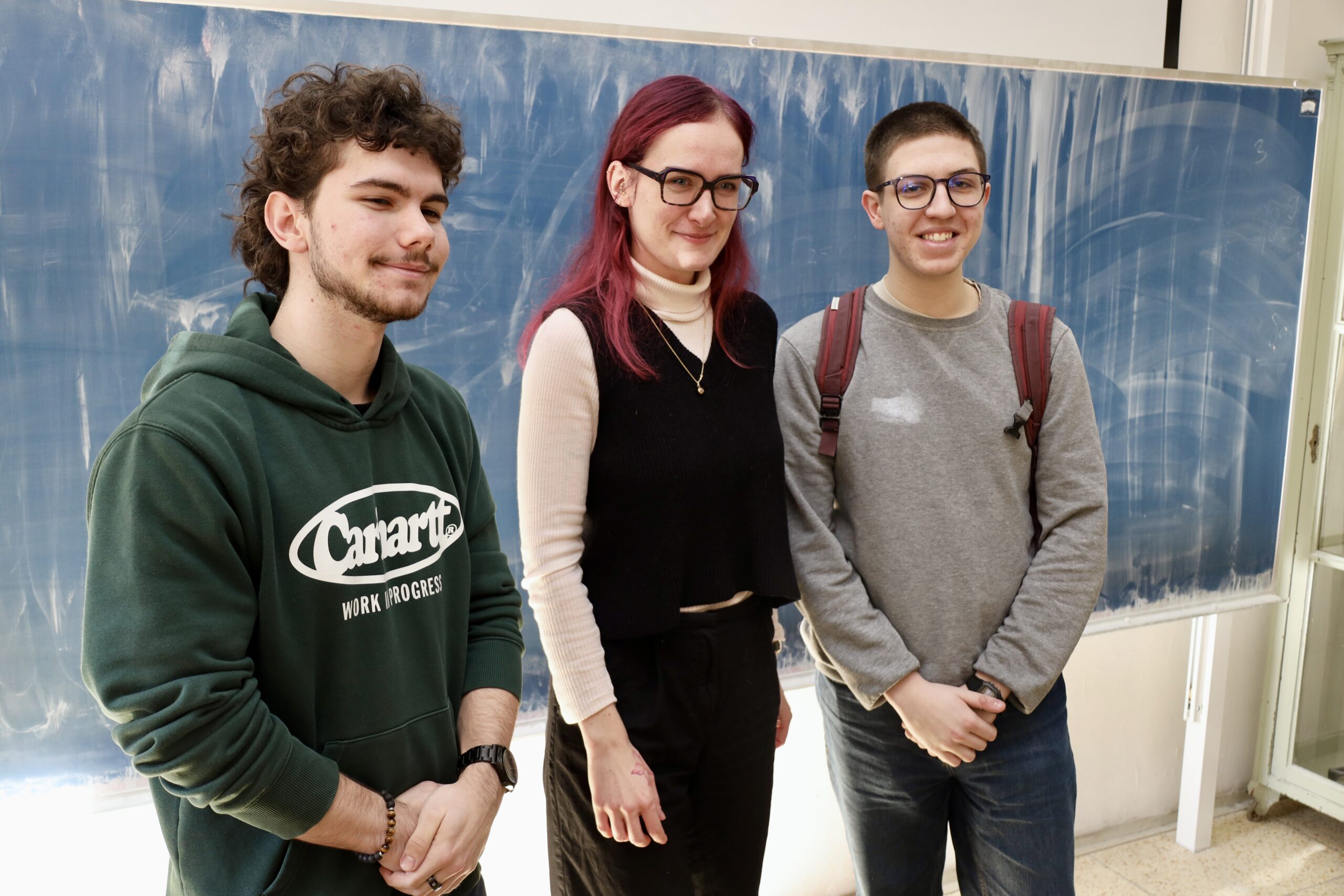
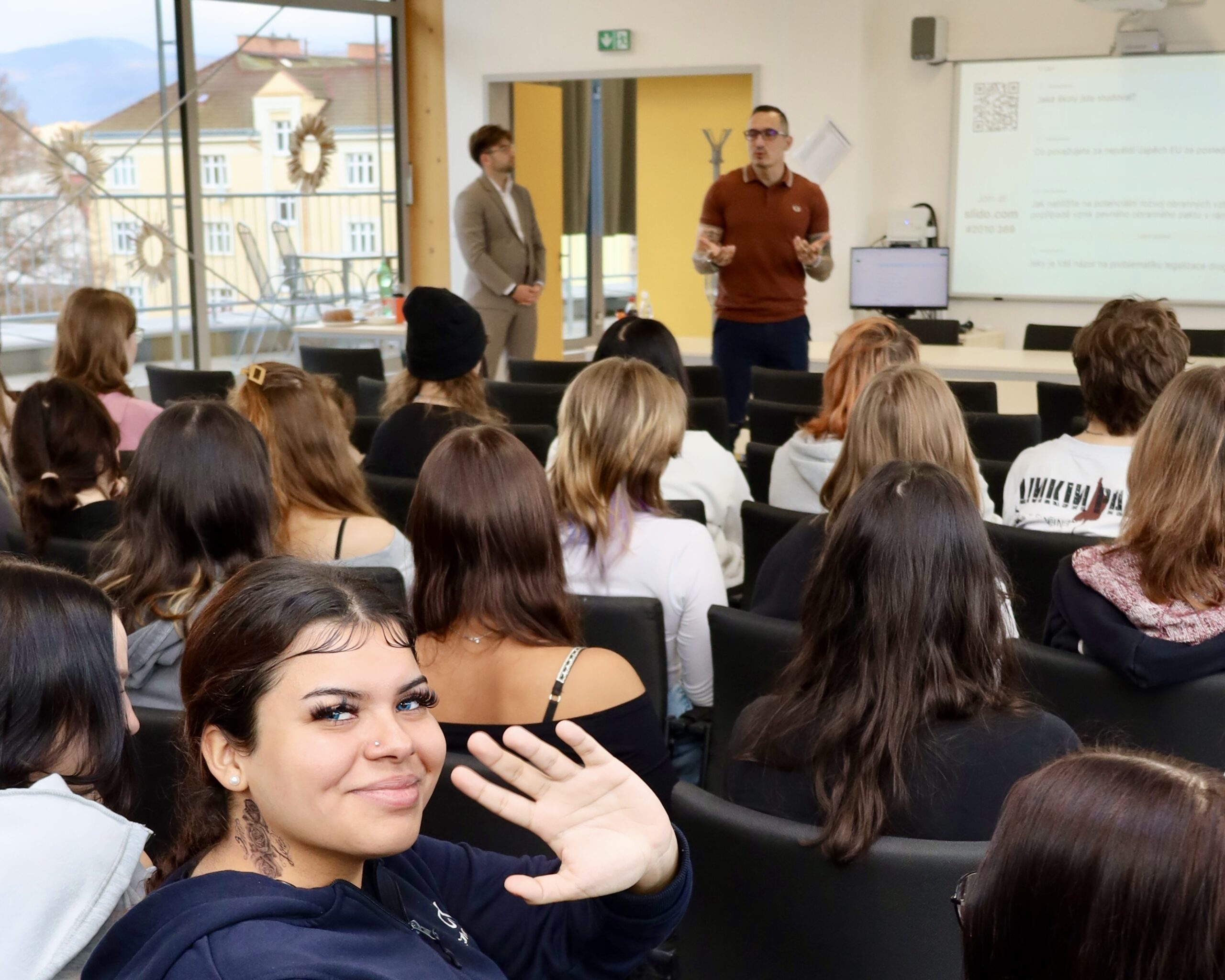
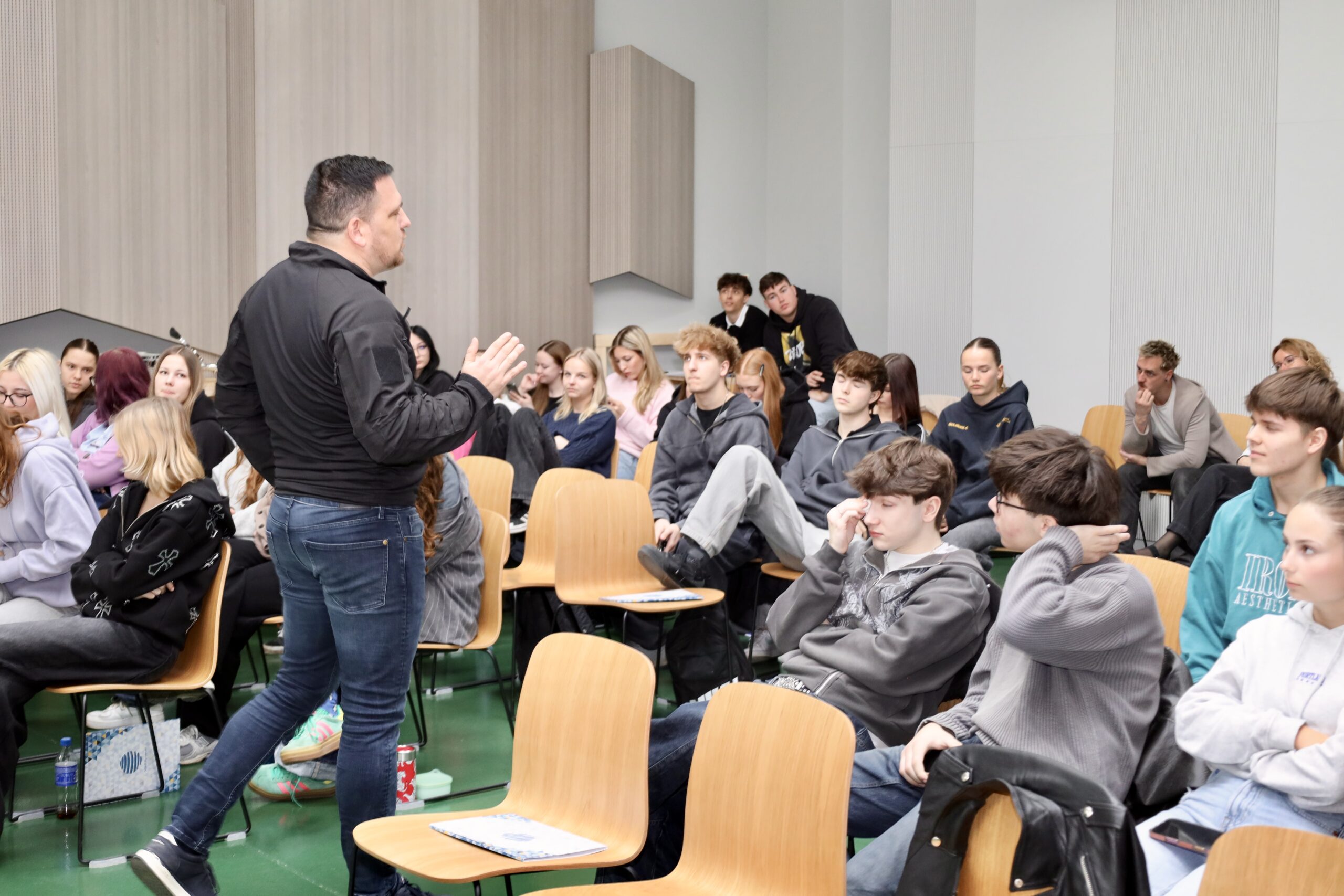
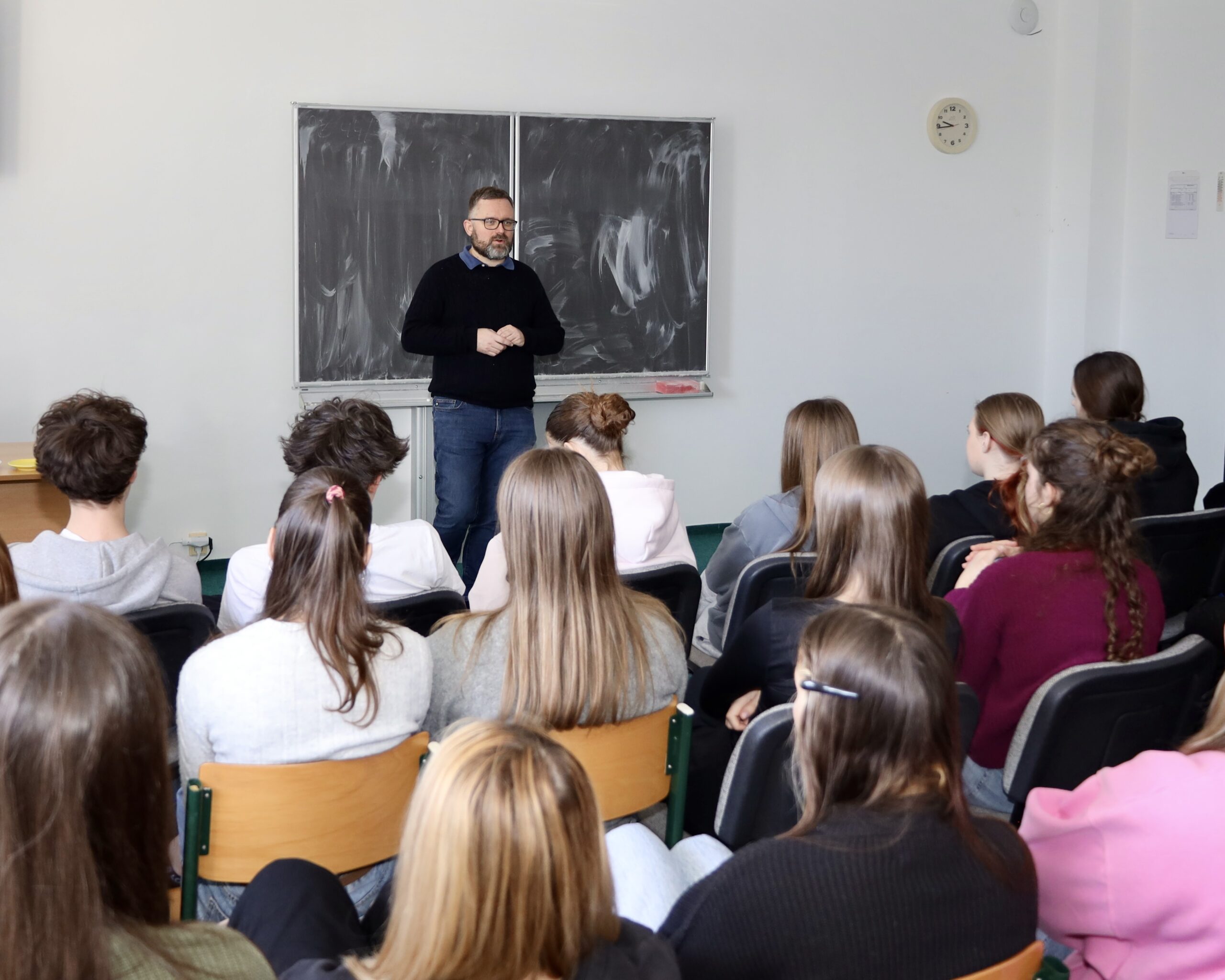
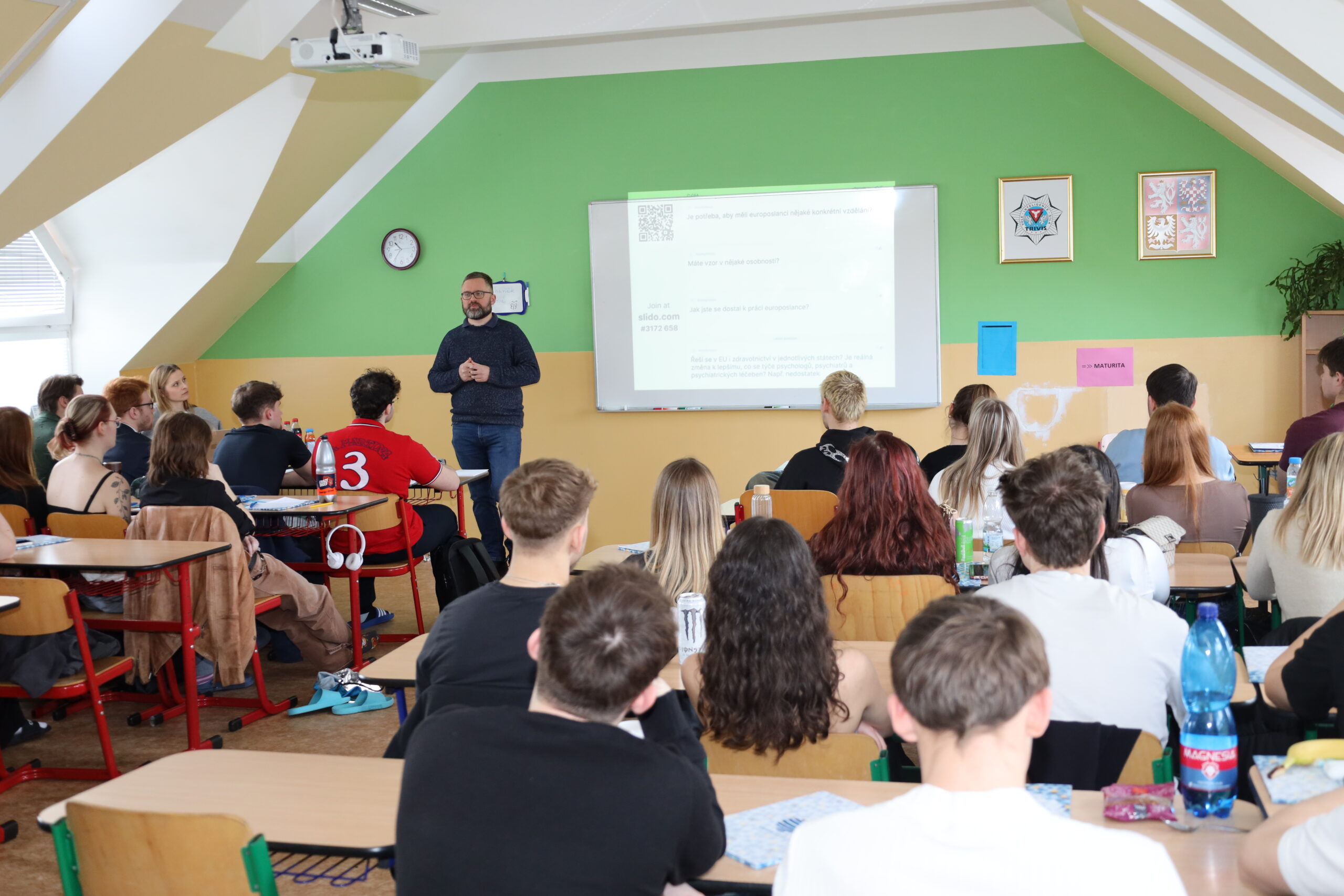
The programme also included a structured dialogue with decision-makers and an informal Open Space session. This gave students a valuable opportunity to engage directly with public figures and ask questions based on their own interests. In addition to the work of EU institutions and the legislative process, discussions covered pressing issues affecting young people, from education and employment opportunities to security and the future of the European Union.
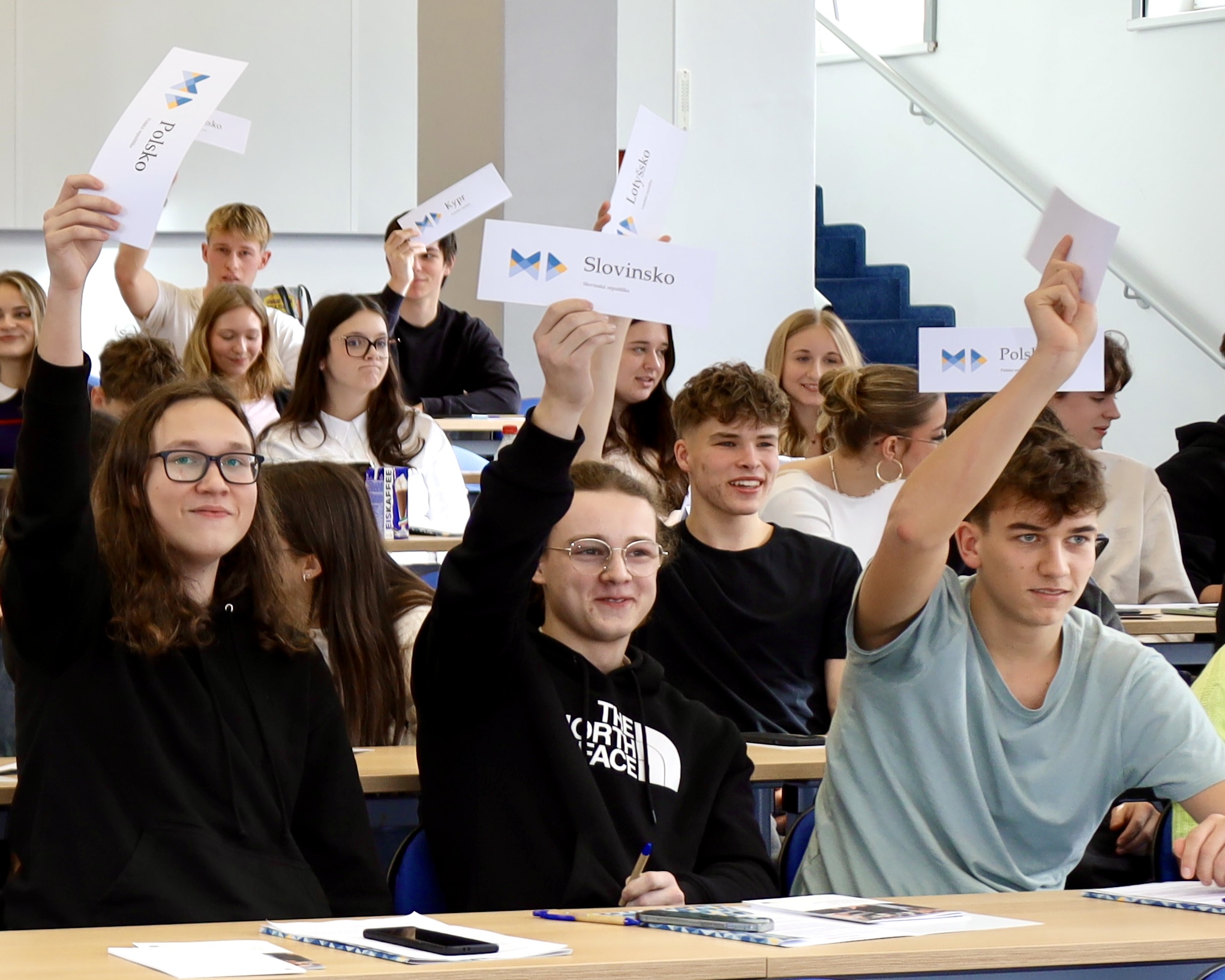
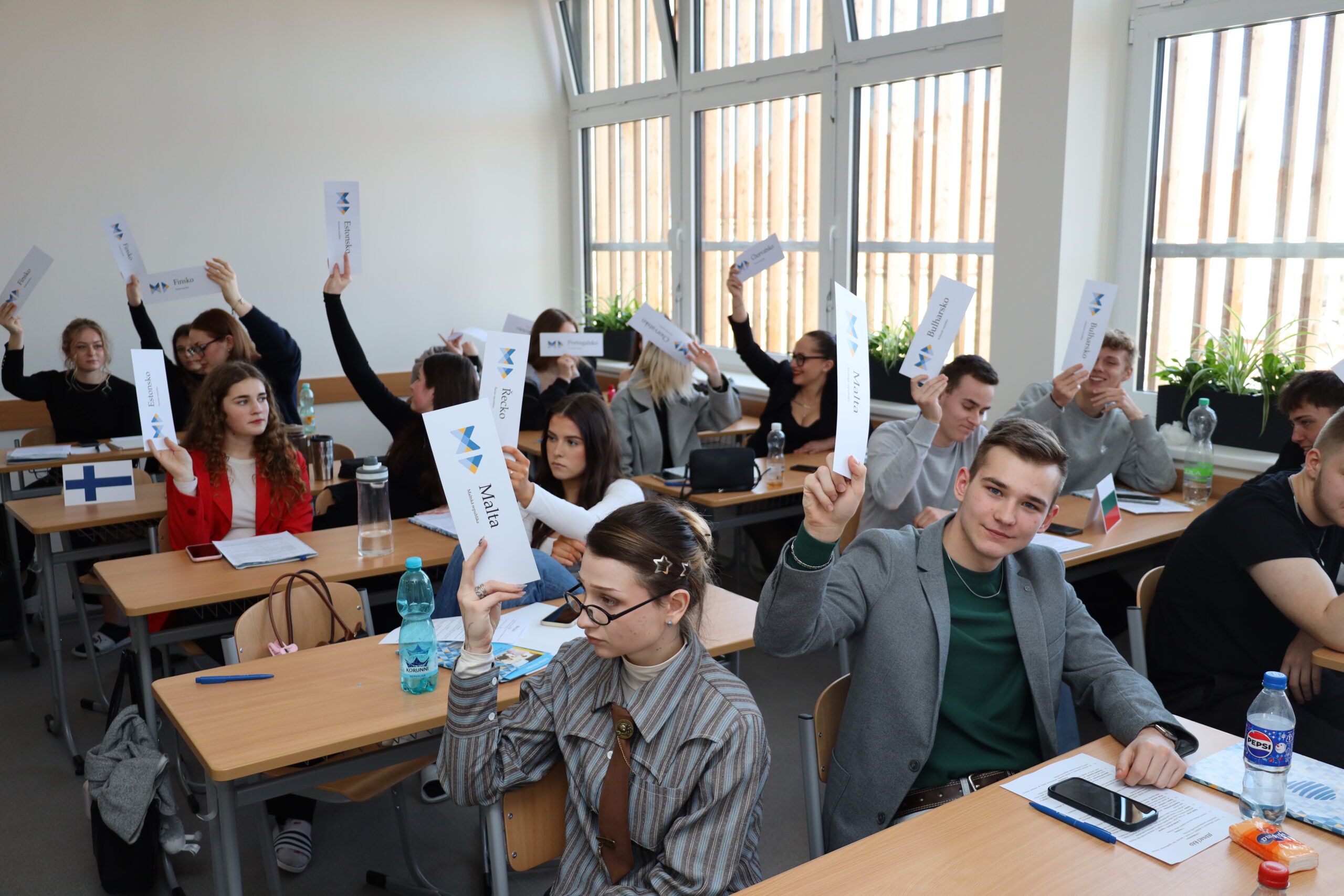
A central part of the day was the European Parliament simulation. Participants were introduced to the rules of procedure for the simulated European Parliament session before taking part in the simulation itself. They debated proposals that had either been prepared in advance as part of optional preparation or developed during the simulation itself. The proposals most frequently addressed three broad themes: environmental protection, support for young people and combating disinformation.
Taking on the roles of Members of the European Parliament (MEPs), participants contributed to developing and defending legislative proposals, navigated differences of opinion and negotiated compromises. You can explore selected legislative proposals developed by students during the simulations on our social media channels or directly on this website in the Documents section.
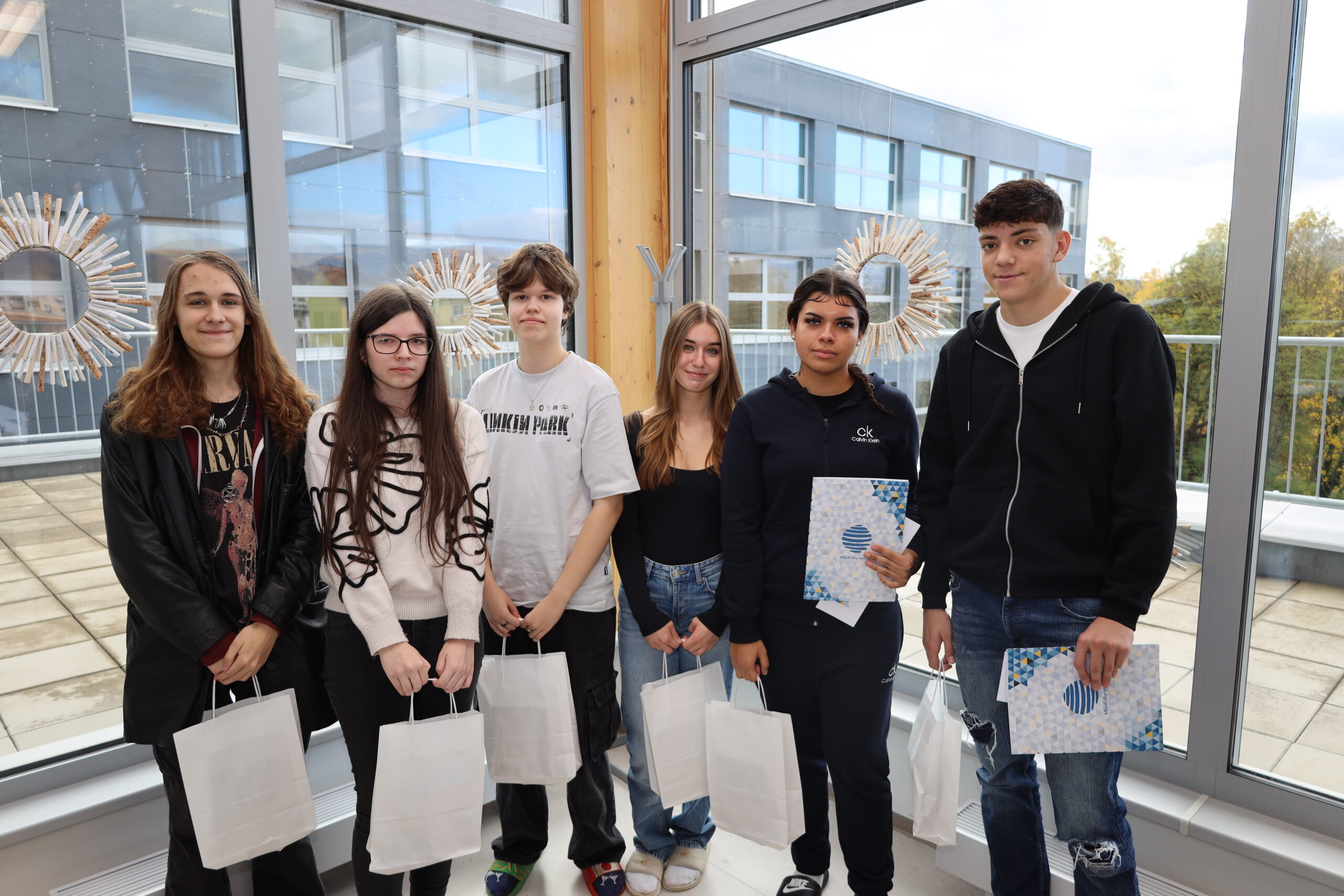
The day concluded with a review of the Project Day and the most active participants were recognised with small prizes. However, the project offered participants more than just learning materials and a memorable experience. According to their self-assessments, 90,7 % gained a better understanding of how EU institutions work in practice, while 87,4 % reported an improved ability to identify manipulative headlines and recognise the use of emotional appeals. For 78,9 % of participants, the project encouraged them to think more deeply about the origin and credibility of information, and 90,6 % said they would recommend the project to other students.
We would like to thank all participating schools, students and guests for creating such a wonderful atmosphere!
We would also like to thank the European Union, the Erasmus+ programme and all our guests for their support of the project.
Funded by the European Union. Views and opinions expressed are however those of the author(s) only and do not necessarily reflect those of the European Union or the Czech National Agency for International Education and Research (DZS). Neither the European Union nor DZS can be held responsible for them.
Guests
Markéta Gregorová – Member of the European Parliament
Tomáš Zdechovský – Member of the European Parliament
Jaroslav Bžoch – Member of the European Parliament
Ondřej Kolář – Member of the European Parliament
Mikuláš Peksa – former Member of the European Parliament from 2019 to 2024
Schools Visited
První české gymnázium v Karlových Varech
Střední škola obchodu a služeb, Teplice
Gymnázium Třeboň
Masarykovo gymnázium Plzeň
Manažerská akademie Beroun
Gymnázium Teplice
Obchodní akademie a jazyková škola s právem státní jazykové zkoušky, Ústí nad Labem
Gymnázium Sokolov
SPgŠ a SOŠ Kladno
Podkrušnohorské gymnázium, Most
Gymnázium Dačice
Obchodní akademie Neveklov
Trivis - Střední Škola Veřejnoprávní Vodňany, S.r.o.


Articles
Resources
If you are interested in receiving comprehensive educational materials for this project, please contact us at info@mladidiplomate.com. We will be happy to provide the materials along with a short training session.
Partners